Blog
A known risk is not the same as an accepted risk. Learn what real risk acceptance requires, and why exposures without an owner, rationale, and review date remain unresolved.
Your agentic SOC is only as capable as the telemetry behind it. See how log source rationalization can reduce SIEM costs, preserve detection coverage, and give AI better evidence to work with.
Most programs treat a closed ticket as proof the exposure is gone. It isn't. Here's why verification is the stage almost every program skips.
AI isn't just another app in your stack. It's a new layer of enterprise architecture. See why infrastructure, data quality, and hybrid design determine whether your AI initiatives actually deliver value, and where most organizations get it wrong.
Coverage and closure metrics measure activity, not risk reduction. Learn how to identify, rank, and own the residual cyber risk your dashboard hides.
You can’t automate your way around weak observability. Explore the five stages of observability maturity and what it takes to build toward self-healing AIOps.
Quarterly vulnerability scans can’t keep pace when attackers weaponize new exploits within hours.
Agentic coding can burn through tokens fast, especially during code review. A sovereign AI approach using local open models and intelligent routing keeps costs predictable and your IP under control.
Scan-prioritize-patch pipelines have no adversary built into them. Here's how Boyd's OODA loop turns vulnerability management into a real feedback loop instead.
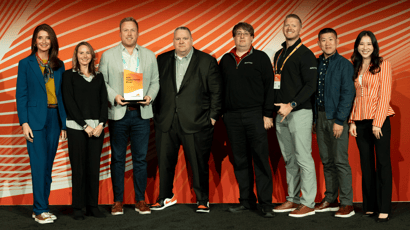
Arctiq has landed the No. 8 spot on CRN's 2026 Fast Growth 150 list, recognizing the fastest-growing IT solution providers in North America. The ranking reflects Arctiq's continued expansion across cybersecurity, cloud, data & AI, and managed services.
As CI/CD environments grow, reusable YAML templates can become increasingly difficult to maintain. Code-generated pipelines offer a more scalable approach that improves testability, reliability, and developer productivity.
Agentic AI is reshaping cybersecurity, creating new risks that traditional security programs weren't designed to handle. Learn how to identify emerging threats, extend your existing controls, and build a secure framework for the next generation of AI.